In 2014, Toms Creek Hunting Club operated under a simple philosophy: “If it’s brown, it’s down.” While this approach ensured plenty of venison for the table and freezer, it also meant that members rarely saw or harvested mature bucks. In fact, during the first two weekends of the 2015 season, 11 spikes were taken. That spike harvest, coupled with recent membership growth, prompted several members to leave the club and sparked an important conversation about who we were and what we wanted to become. One thing became clear—members wanted the opportunity to hunt and harvest big, mature Whitetail bucks.
After much discussion, the club voted at the 2016 annual meeting to adopt a Quality Deer Management (QDM) program starting with the 2017 season. Rules and fines were introduced to discourage the harvest of young bucks. To guide the effort, a Tennessee state biologist visited the property and advised that our herd was overly weighted toward does. Following that expert advice, we focused on doe harvests for the next several years.
The early years were not easy. Many hunters still struggled with passing on younger bucks, and fines for taking small deer caused frustration. Membership dropped, leaving behind a core group of hunters truly committed to QDM. Between 2017 and 2019, buck harvests remained low, and shooter bucks were scarce—a result of having over-harvested young males in previous seasons.
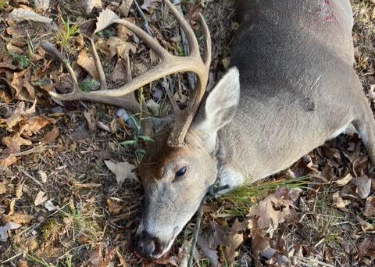
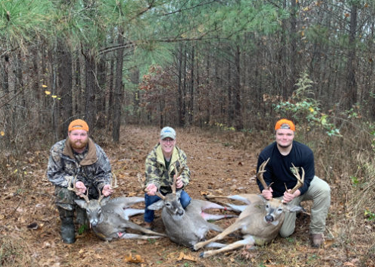
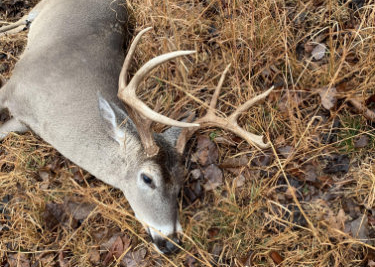
By 2020, however, the results of our efforts became clear. After three years of disciplined doe harvests and limited buck harvests, rut activity increased significantly, and larger bucks began to return to the property. While still on the younger side, several shooter bucks were successfully harvested—a sign that our QDM program was working.
Today, our commitment to QDM is stronger than ever. Each year, we reaffirm that commitment at our annual meeting and welcome only like-minded hunters who share our vision. We’ve also partnered with neighboring landowners—many of whom embraced QDM before we did—creating a cooperative management area of over 3,500 acres dedicated to growing and sustaining healthy, mature Whitetail populations.